

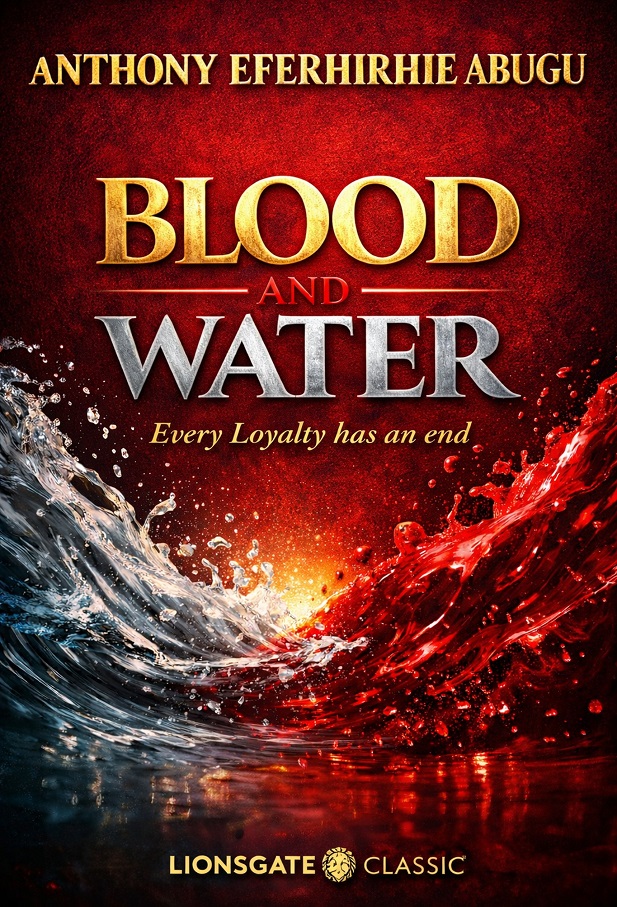


Tab Article
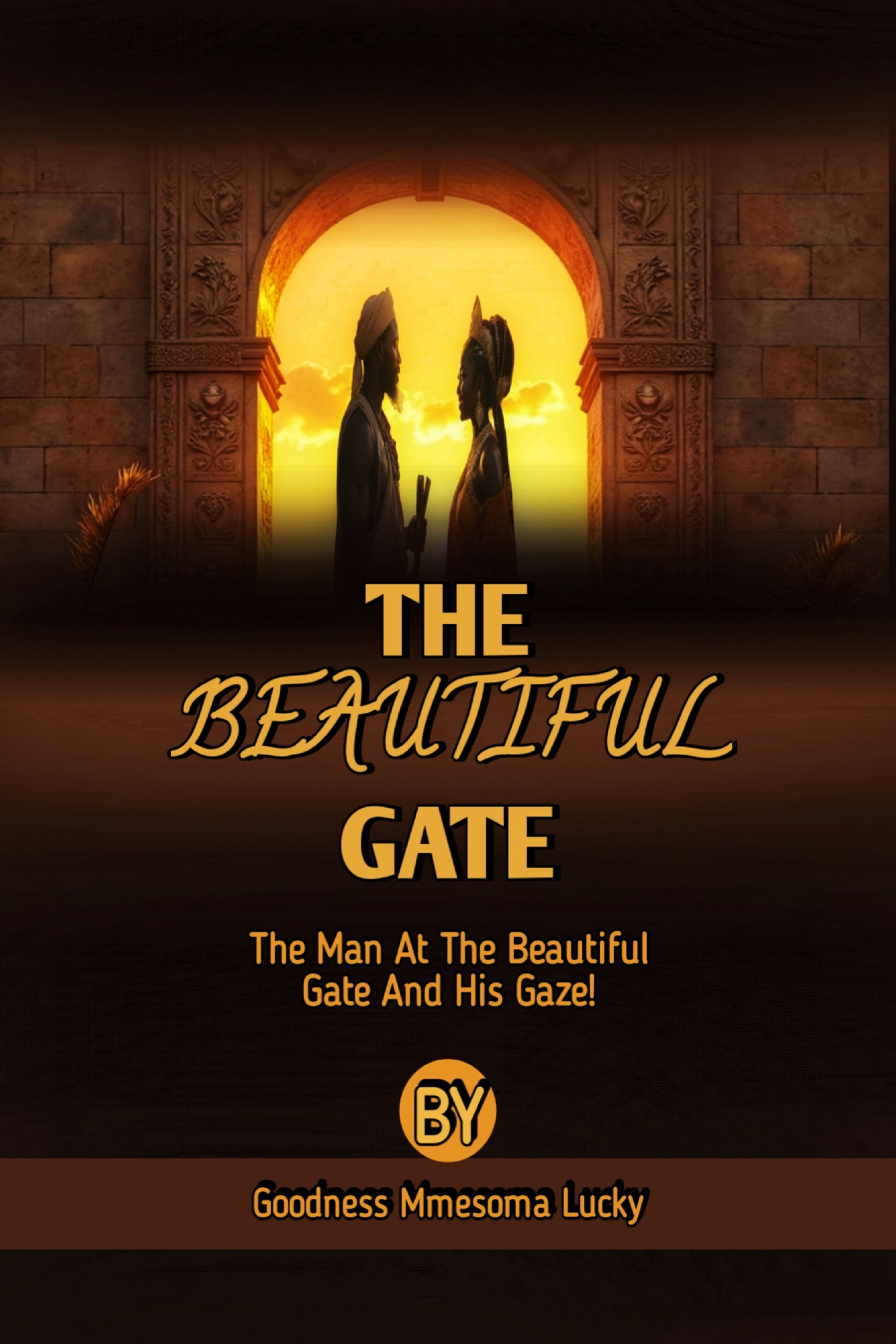
Every story begins with a question. For me, the question was simple: What destroys trust faster than betrayal itself? The answer, I realized, was suspicion. Betrayal wounds once, but suspicion wounds endlessly. It grows quietly, feeding on doubt, and turns even the strongest of bonds into fragile shadows. This truth became the seed from which the story of Merith was born. The lion, the falcon, and the eagles are more than symbols of houses or families. They are archetypes of leadership, vision, courage, and sacrifice — virtues we long for in every age. Yet even they were not strong enough to withstand the serpent, because the serpent represents something far more enduring than armies or conspiracies. It is the whisper of mistrust, the voice that asks, “What if he is not what you think?” When I began writing this book, I did not set out to write only a fantasy or a parable. I wanted to capture the timeless fragility of unity, whether in nations, families, or friendships. The fall of Merith is not confined to parchment; it is a mirror of the fractures we see around us every day — in politics, in communities, in the spaces between people who once trusted each other. Some may read this as myth, others as allegory. For me, it is both. My hope is that it reminds us that trust is the foundation upon which every society is built, and once trust is gone, no wall, no law, no wealth can hold a kingdom together. If you hear echoes of our world in the rise and fall of Merith, then you are listening as I hoped you would. If you close this book remembering only one thing, let it be this: unity is not inherited, it is protected. And always — beware the serpent.


 National Library of Nigeria
.jpg) Association of Nigerian Authors
Association of Nigerian Authors Nigerian Library Association
 EagleScan
 Crossref
Morgan Victor – 7/4/2026 2:23:36 AM
Hello world