

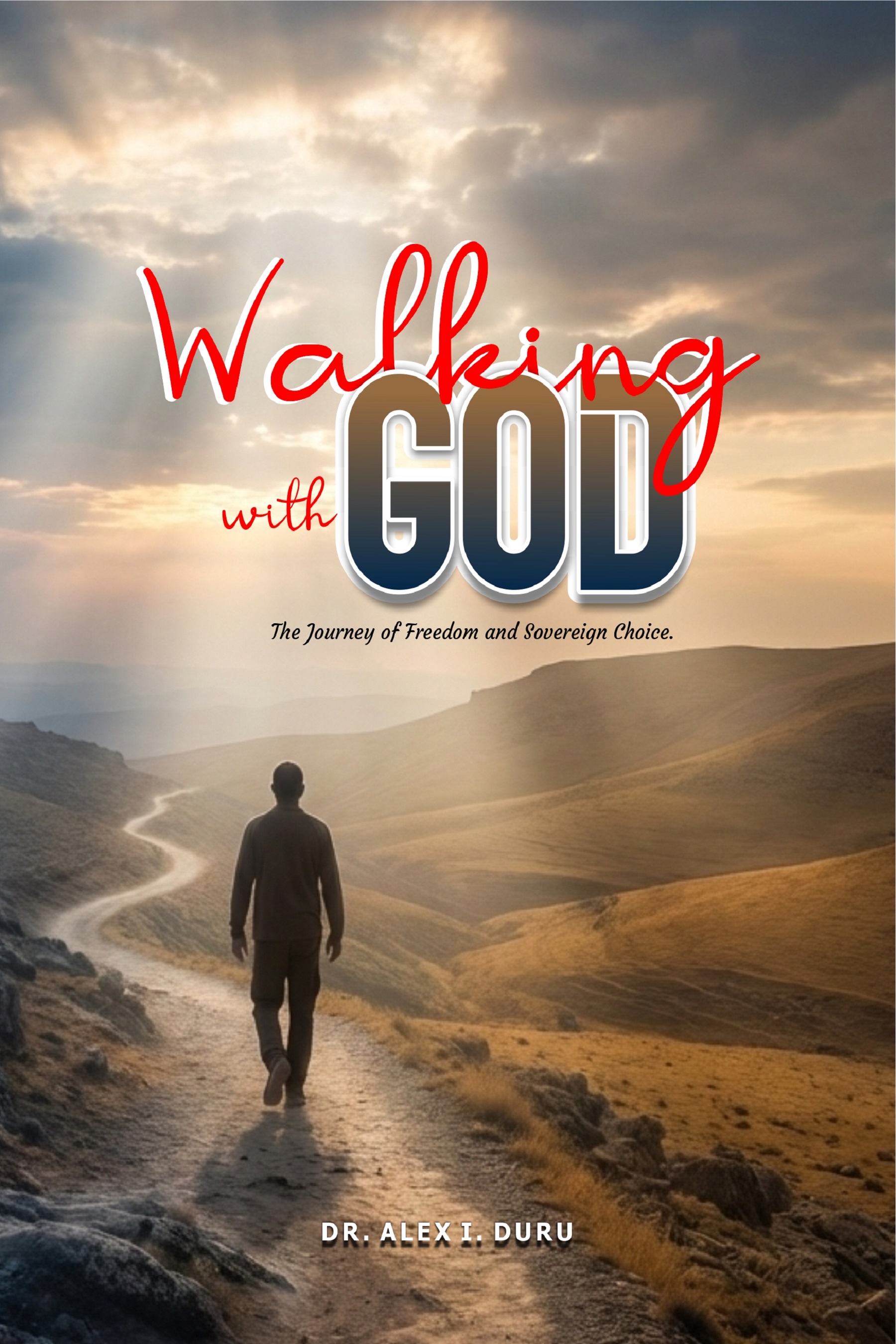


Tab Article
Preliminaries “Therefore do not be unwise, but understand what the will of the Lord is.” Ephesians 5:17 (NKJV) Occasion of the Book It is a common feeling, is it not? That mix of hope and frustration when we are trying to figure out God's will. We have all been there, have we not? Those moments when life does not quite seem to match up to what we think or believe it should, or when we hear phrases like, "It's written in the Bible," and yet, things still feel a bit off. "This supposed not to happen to a believer," we might think, or the sinking feeling that we are somehow missing something. We hear the whispered hopes and the anxious prayers: "The Lord tells me," or the quiet certainty, "I am led." We might even find ourselves endlessly "waiting for the Will of God," feeling like we are stuck in a holding pattern. This book is a journey to explore those very feelings, the disappointments, and the triumphs that come with understanding what God's will truly means for us. We will delve into the joy of embracing God's sovereignty and the beautiful choices He has given us, to find a deeper connection and real peace. Introduction Understanding the Will of God: a Pious Quest As believers, most of us earnestly desire to know God’s will for our lives, especially when we are faced with big decisions. Yet, this quest often leads to confusion because “God’s will” can mean different yet interconnected things. At its core, God’s will is both a divine mystery and a practical reality. It is eternally established in God’s foreknowledge, purpose and wisdom, and it becomes manifest in the unfolding story of human history. Imagine it like a grand tapestry: God weaves each thread from eternity, yet the beauty only reveals itself as the fabric is stretched over time. This tapestry brings together God’s sovereignty—His ultimate control—and our freedom to choose. The challenge lies in balancing these two truths, which might seem contradictory but, in truth, complement each other. We know, therefore, that God’s Will is both fixed and dynamic: - Eternally established—rooted in God’s foreknowledge, wish, and power. - Historically manifested—realised through human choices and events of life. This tension between God’s sovereignty and human free will has sparked intense debate across centuries. How is God’s control well-matched with our freedom? How do we cooperate with God's will without losing the precious gift of human free choice? The Extent of God’s Influence – Predestination and Election versus Free Will "For whom He foreknew, He also predestined to be conformed to the image of His Son, that He might be the firstborn among many brethren." (Romans 8:29). This is where the debate gets really interesting! This is the heart of the conflict between Calvinists and Arminians down the centuries. The question of how much influence God has over our choices is a complex one, often framed around the ideas of predestination and free will. Extreme predestination and election teachers belief that God has already decided who will be saved (go to heaven) and who will be lost (go to Lake of Fire). They commonly point to verses in the Bible that seem to suggest God knows everything that will happen. They might say that God’s sovereignty (His ultimate authority) means He must be in control of everything. But if this is true, then our choices don't really matter. Other Christians emphasise free will. These ones preach that humans are free; that we have the ability to make our own choices, and that our choices determine our fate. They point to verses that talk about the importance of our choices, about our responsibility to obey God, and about the consequences of our choices and actions. They say that God wants us to choose Him freely, and that love cannot be forced. The problem is, the Bible seems to contain both ideas! This is why it is such a lively discussion. One way is to see God’s influence upon us as persuasive rather than coercive. God doesn’t force us to do anything. Instead, He gently influences us, through the Holy Spirit, through His Word, and through the circumstances of our lives. He works with us, not against us. He doesn't take away our free will; He uses it.


 National Library of Nigeria
.jpg) Association of Nigerian Authors
Association of Nigerian Authors Nigerian Library Association
 EagleScan
 Crossref